“A stiff neck, tense traps, can't turn my head properly, tightness at the base of the skull, a tight jaw.”
Desk and laptop work
Long drives
Heavy pressing and shrugs
Sleeping awkwardly
Clenching or grinding your teeth
What to book: Focused. A 45 minute session covers the neck and upper traps properly. Add the upper back if the tightness runs down between the shoulder blades.
Everyone is different, and there's no set number of sessions. We work with you and how you feel.
The muscles · head and neck
What we work
The main muscle groups in this area, what they do, and what people usually tell us when they come in.
Upper trapezius
Runs from the base of the skull out to the shoulders. Holds your shoulders up and your head steady.
People often noticeShoulders creeping up towards the ears, a heavy, knotted feeling across the top of the shoulders, especially after desk work, driving or stress.
Levator scapulae
Runs from the side of the neck down to the top of the shoulder blade. Lifts the shoulder blade and helps turn the head.
People often noticeA stiff neck that won't turn fully one way, and a tight spot at the top inside corner of the shoulder blade.
Sternocleidomastoid and scalenes
The muscles down the front and sides of the neck. Turn and tilt the head, and help with breathing.
People often noticeTightness down the side of the neck, and that forward-head, phone-posture feeling.
Suboccipitals
Small muscles at the base of the skull that fine-tune head position.
People often noticeTension sitting right at the base of the skull, often after long hours looking at a screen.
Splenius
Run up the back of the neck into the skull. Extend and rotate the head.
People often noticeA tight, ropey feel up the back of the neck when looking up or over the shoulder.
How things feel isn't a diagnosis. Anything new, severe or getting worse, get it checked by your GP or NHS 111 first. Already diagnosed?
Fascial lines
The lines we follow
Fascia is connective tissue that runs in continuous lines through the body, not muscle by muscle. These lines were mapped by anatomist Thomas Myers in Anatomy Trains.
We look at where the tension runs, not just where you feel it. Tightness in one place often sits on the same line as somewhere else, so we often work above and below the spot itself.
Tap a line to see where it runs.
Superficial Back Line
From the soles of the feet, up the calves and hamstrings, along both sides of the spine and over the back of the head to the brow.
Lateral Line
Down each side of the body: from the side of the neck and ribs, through the outer hip and IT band, to the outside of the ankle.
Spiral Line
A double loop that wraps the body: from one side of the skull, across the upper back to the opposite shoulder, round the ribs and stomach to the opposite hip, and down the leg under the arch of the foot.
Deep Front Line
The deep core of the body: from the inner arch of the foot, up the inner leg and adductors, through the hip flexors, diaphragm and up into the front of the neck and jaw.
Before and after
Real clients
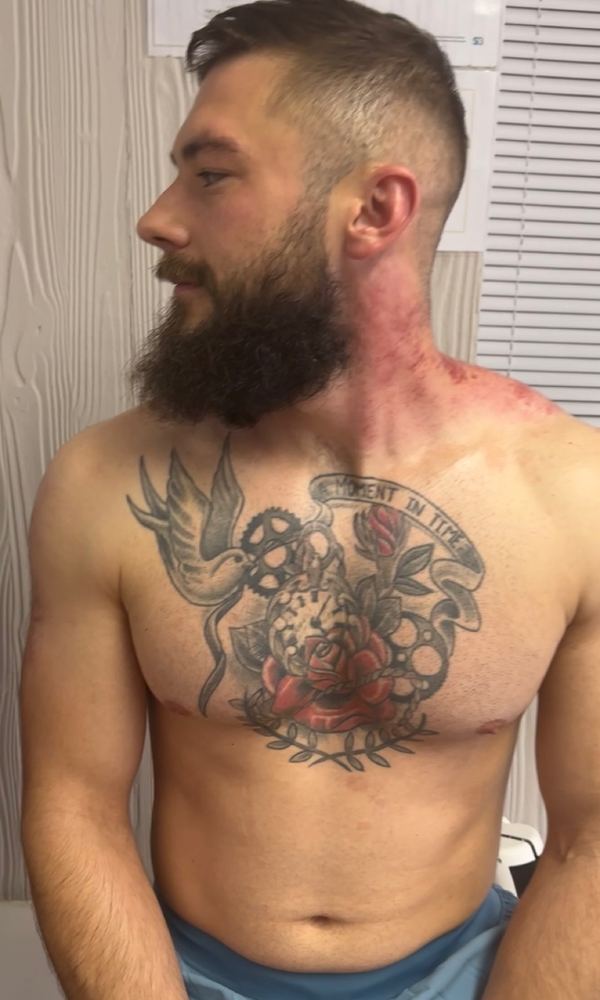
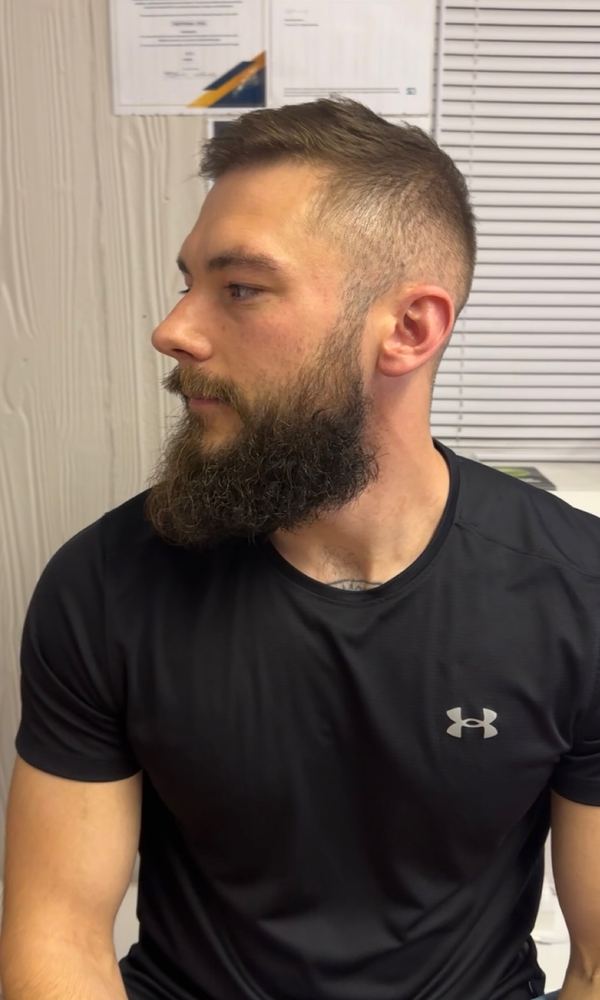
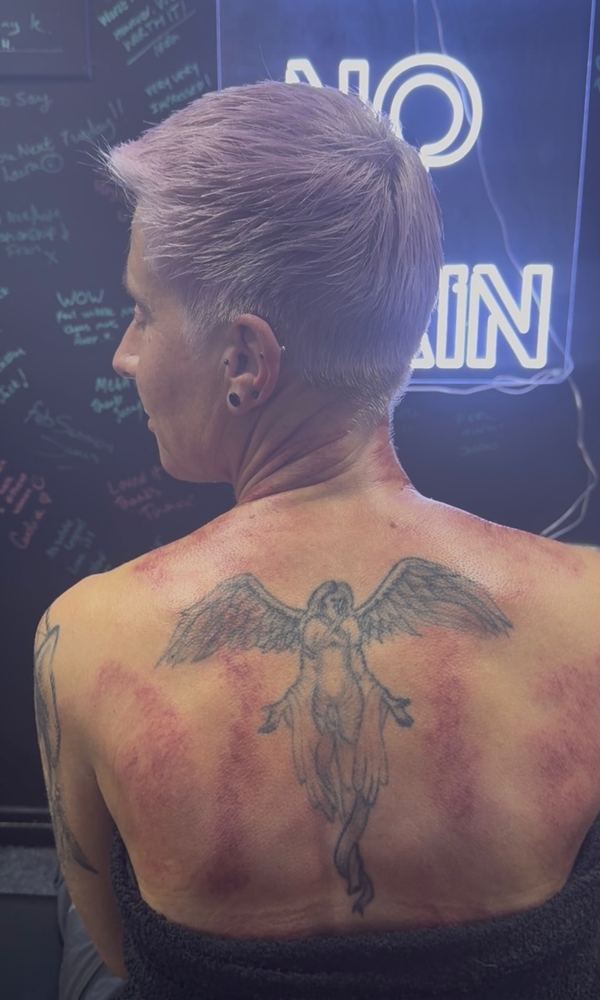
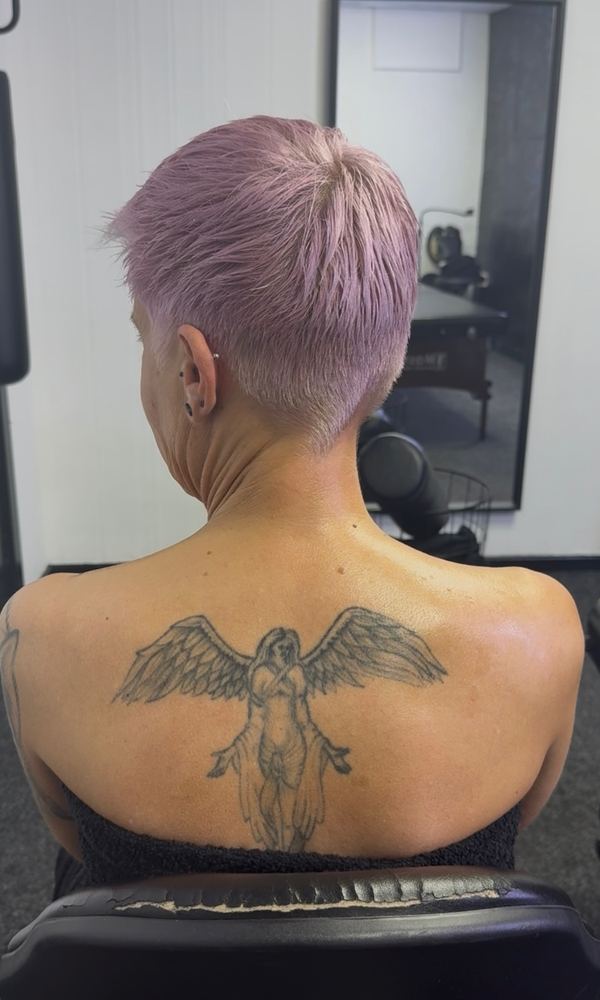
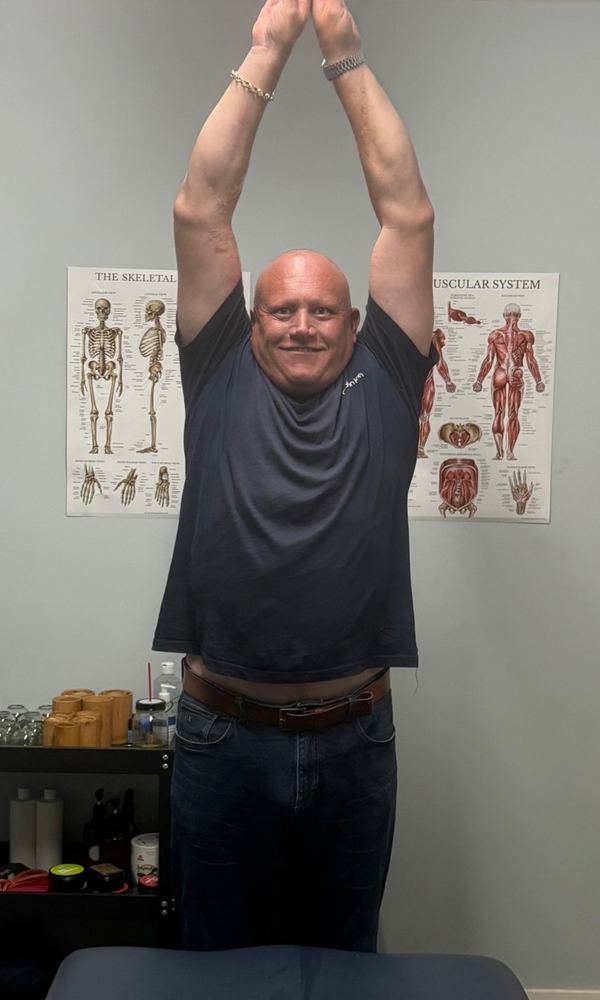
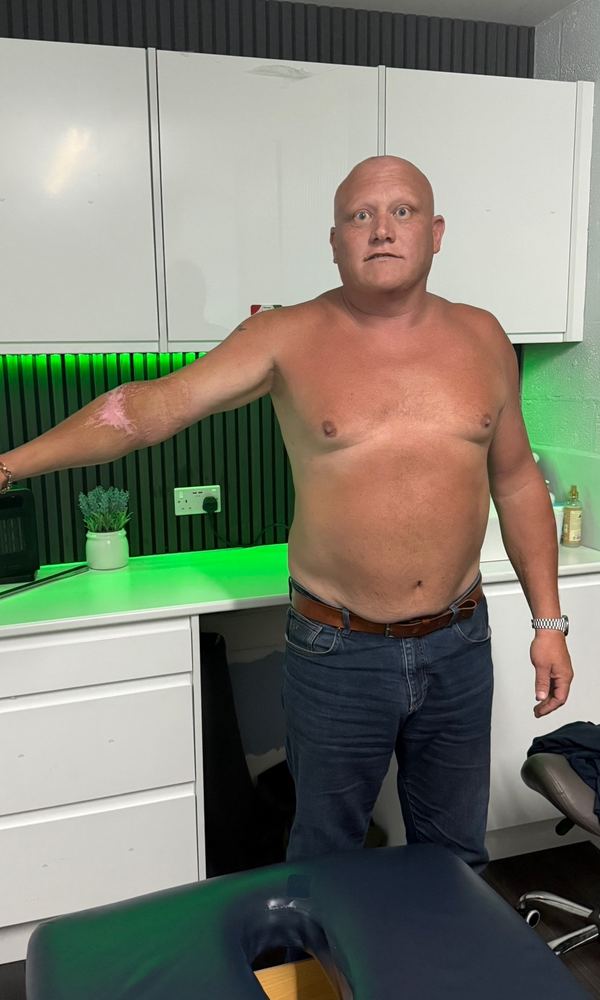
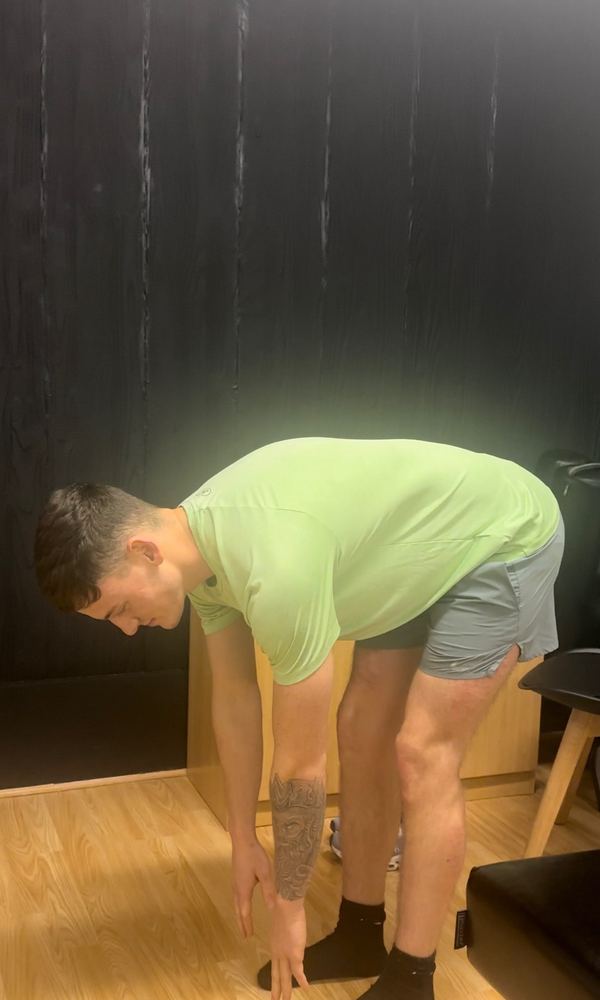
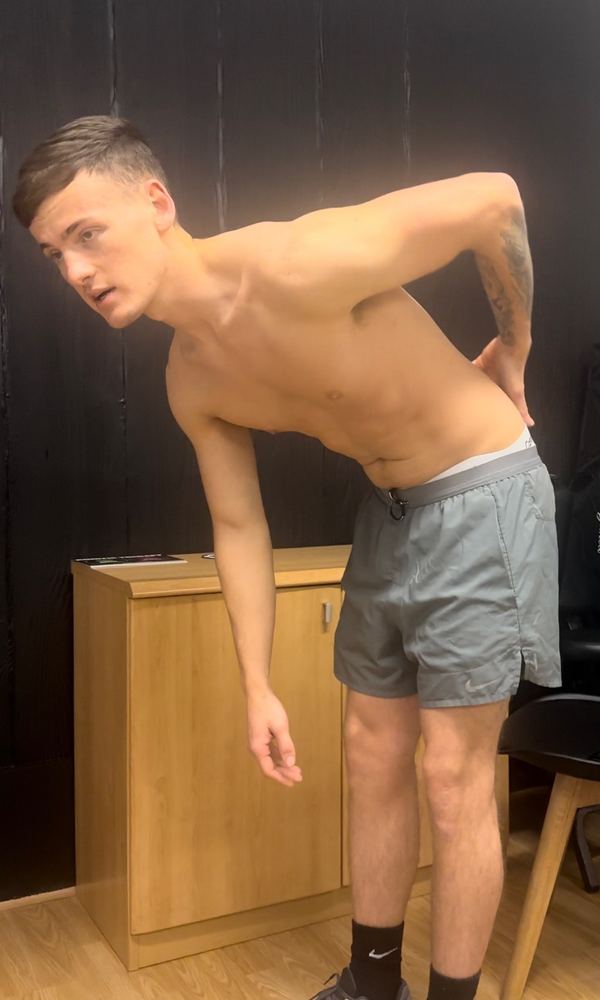
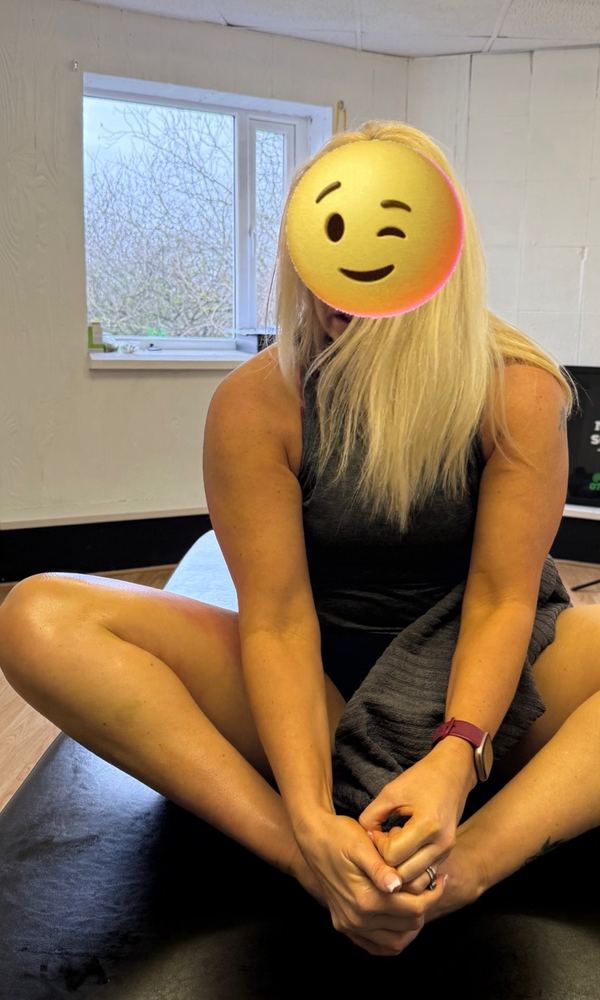
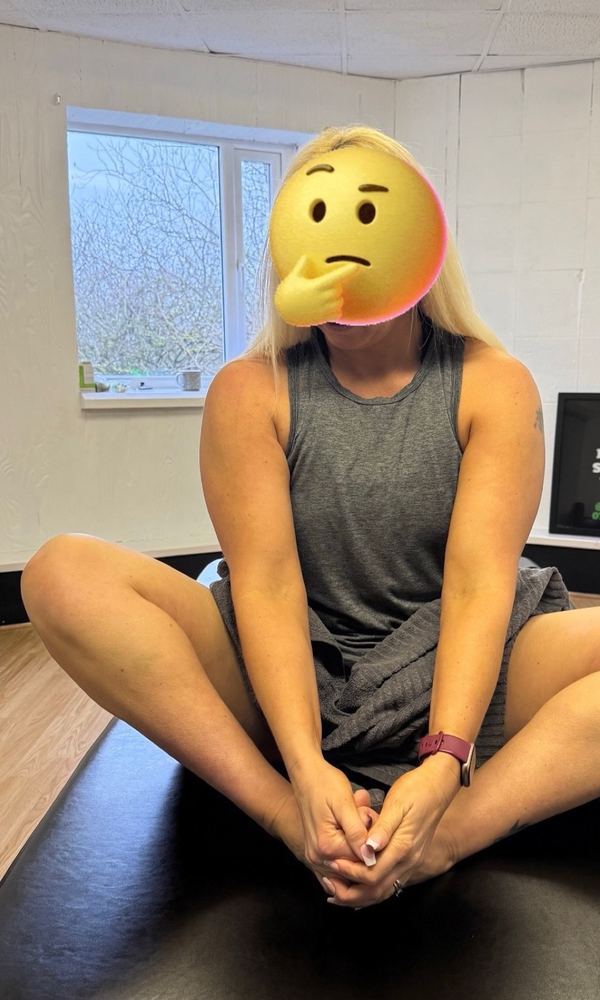
Real clients, photographed before and after a session. Everyone is different, and results vary from person to person.
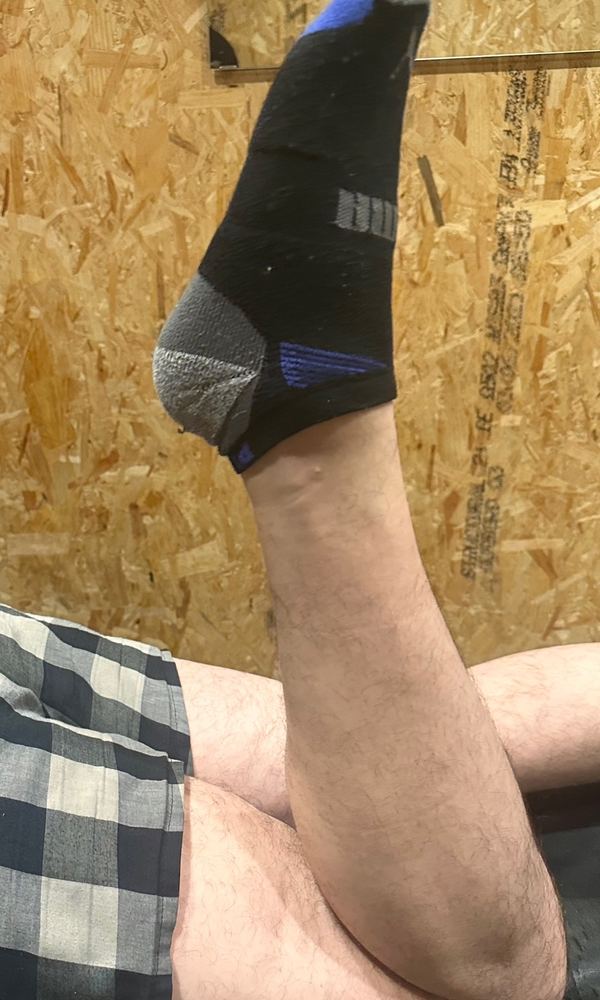
Hamstrings, quads, IT band and calves, down to the arches and soles of the feet. The Enforcer runs the full length of a hamstring or quad in one stroke.
Key muscles
Hamstrings
Quads
Calves
Shins and peroneals
Plantar fascia
Often comes in with
Running
Football and rugby
Cycling
Leg days
On your feet all day
What to book
Full session · Both legs, front and back, take a full hour. Go for 90 minutes to add the hips and lower back.
Yes. The neck and the upper traps that run down into your shoulders. Desk work, driving, phones and heavy pressing all load this area. You control the pressure, and we tell you what we're doing as we go.
What should I book for my head?
Focused. A 45 minute session covers the neck and upper traps properly. Add the upper back if the tightness runs down between the shoulder blades. First visits are always the New client treatment, which includes an assessment.
What if it's a new injury?
If it's a new or sudden injury, swelling, numbness or pain that wakes you at night, get it checked by your GP or NHS 111 first. Not sure? Call 07305 905859 before you book.
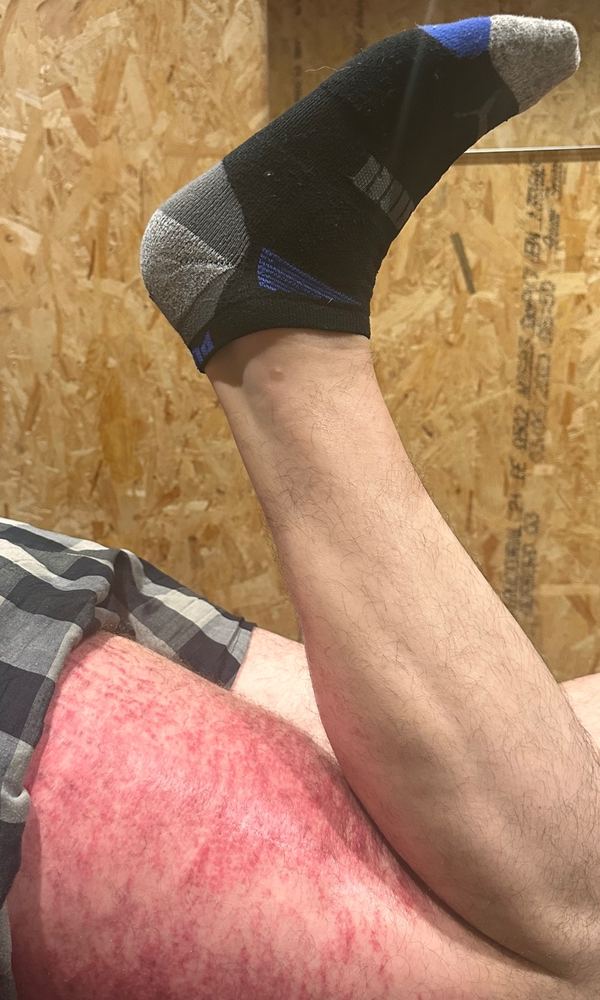
Will it leave marks?
Usually, yes. Redness and small dark dots where the tissue has been worked are normal, and they usually fade within 5 to 7 days.