“A lower back that feels locked up, tight when I bend, stiff getting out of the car.”
Sitting all day
Lifting at work
Deadlifts and squats
Golf and other rotation sports
What to book: Full session. The lower back is rarely on its own, so we'll usually work the hips and hamstrings too. Book a full hour.
Everyone is different, and there's no set number of sessions. We work with you and how you feel.
The muscles · lower back
What we work
The main muscle groups in this area, what they do, and what people usually tell us when they come in.
Lumbar erector spinae
Thick muscles either side of the lower spine. Hold you upright and straighten you up from a bend.
People often noticeA locked-up lower back after sitting, lifting or a heavy deadlift session, and stiffness first thing in the morning.
Quadratus lumborum
Deep, between the bottom rib and the top of the pelvis on each side. Side-bends and hitches the hip.
People often noticeOne-sided tightness just above the hip, often worse standing for a long time.
Multifidus
Small deep muscles running between the vertebrae, steadying the spine.
People often noticeA deep, hard-to-pinpoint stiffness right next to the spine.
Thoracolumbar fascia
A thick sheet of fascia across the lower back that links the lats, glutes and core.
People often noticeA tight, "strapped in" feeling across the whole lower back.
How things feel isn't a diagnosis. Anything new, severe or getting worse, get it checked by your GP or NHS 111 first. Already diagnosed?
Fascial lines
The lines we follow
Fascia is connective tissue that runs in continuous lines through the body, not muscle by muscle. These lines were mapped by anatomist Thomas Myers in Anatomy Trains.
We look at where the tension runs, not just where you feel it. Tightness in one place often sits on the same line as somewhere else, so we often work above and below the spot itself.
Tap a line to see where it runs.
Superficial Back Line
From the soles of the feet, up the calves and hamstrings, along both sides of the spine and over the back of the head to the brow.
Functional Lines
Cross the body front and back, linking each shoulder to the opposite hip through the lats and glutes, the lines that load up when you throw, swing or sprint.
Deep Front Line
The deep core of the body: from the inner arch of the foot, up the inner leg and adductors, through the hip flexors, diaphragm and up into the front of the neck and jaw.
Before and after
Real clients
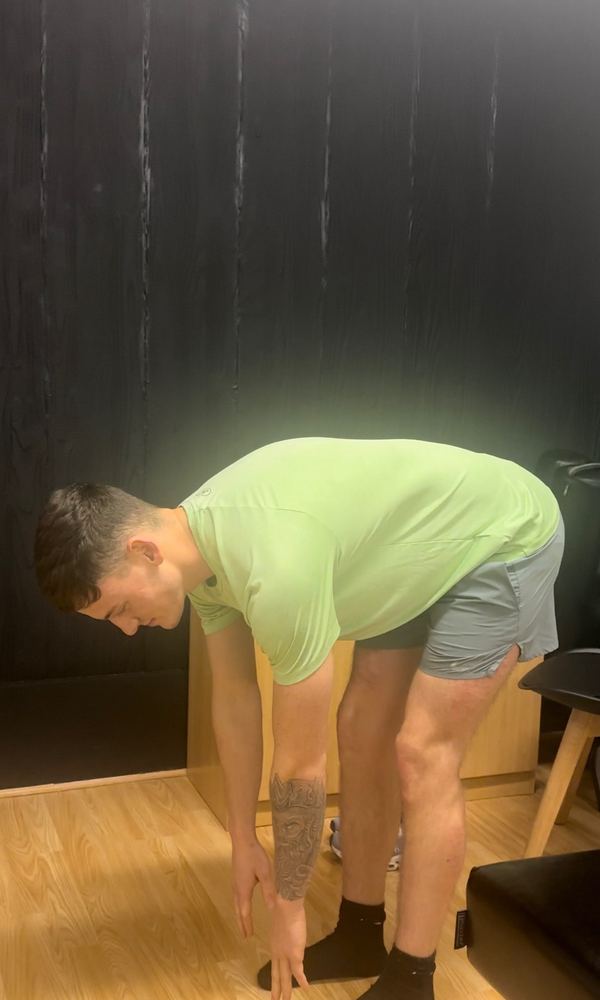
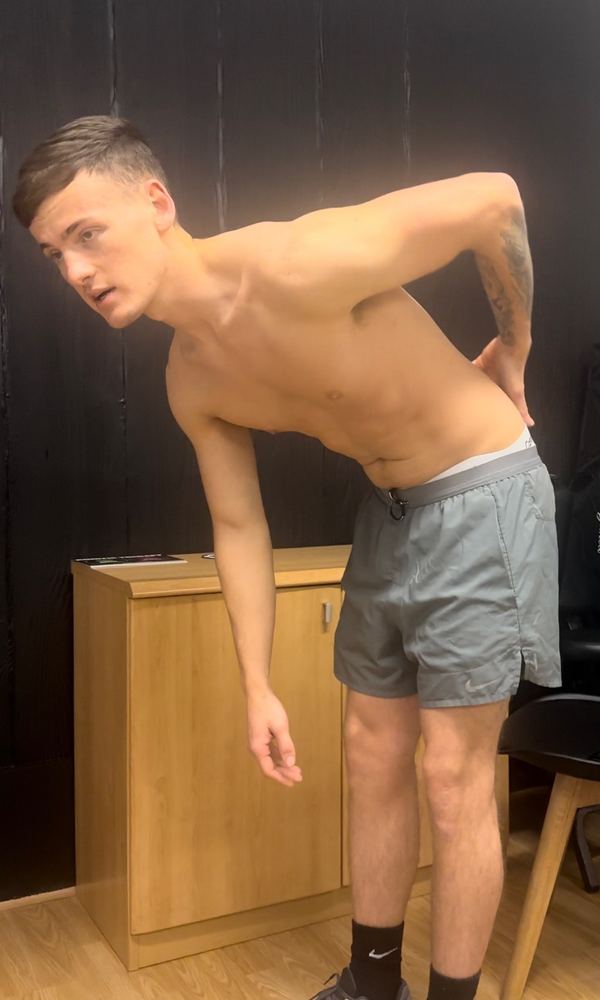
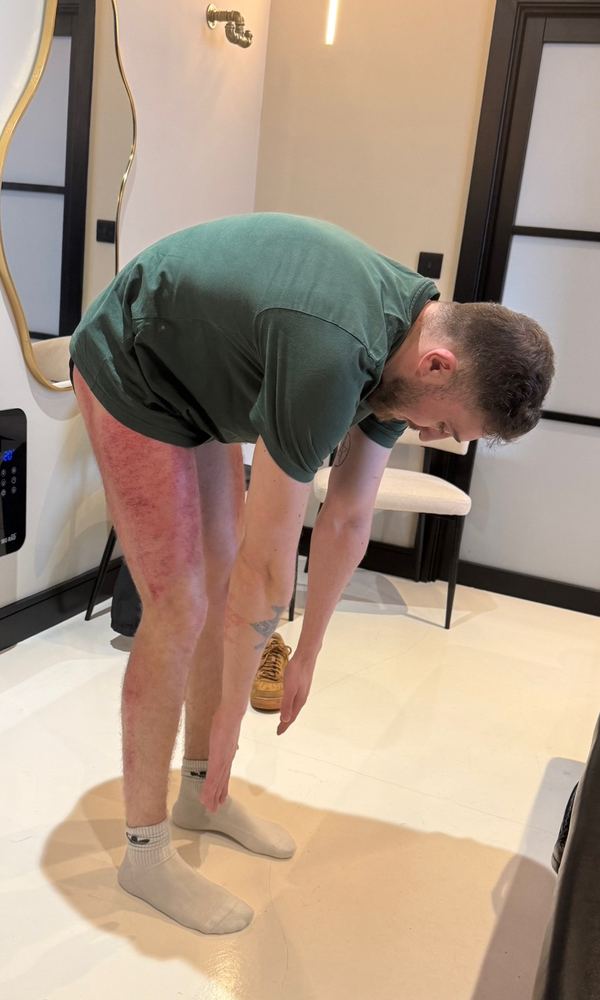
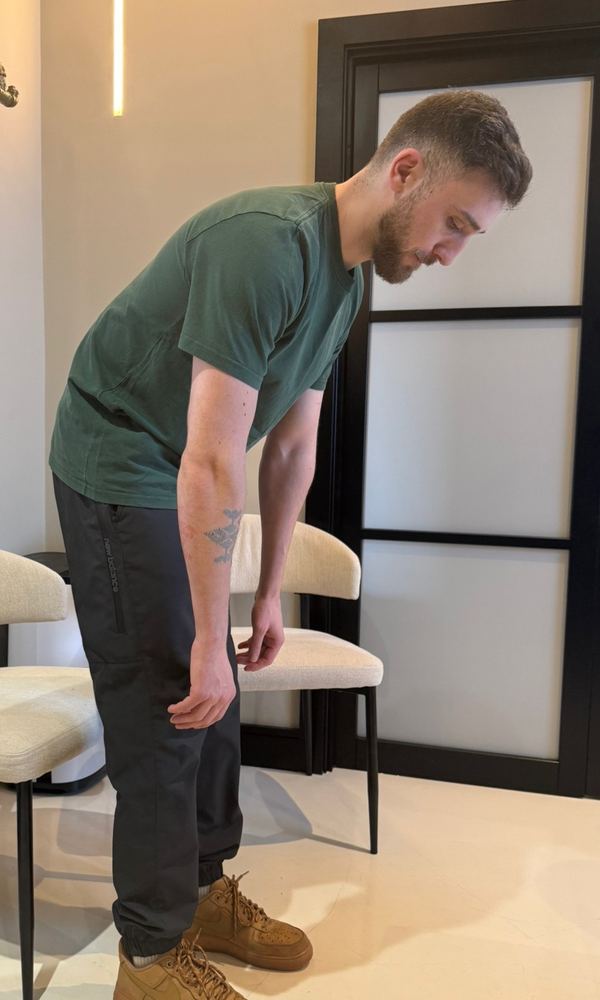
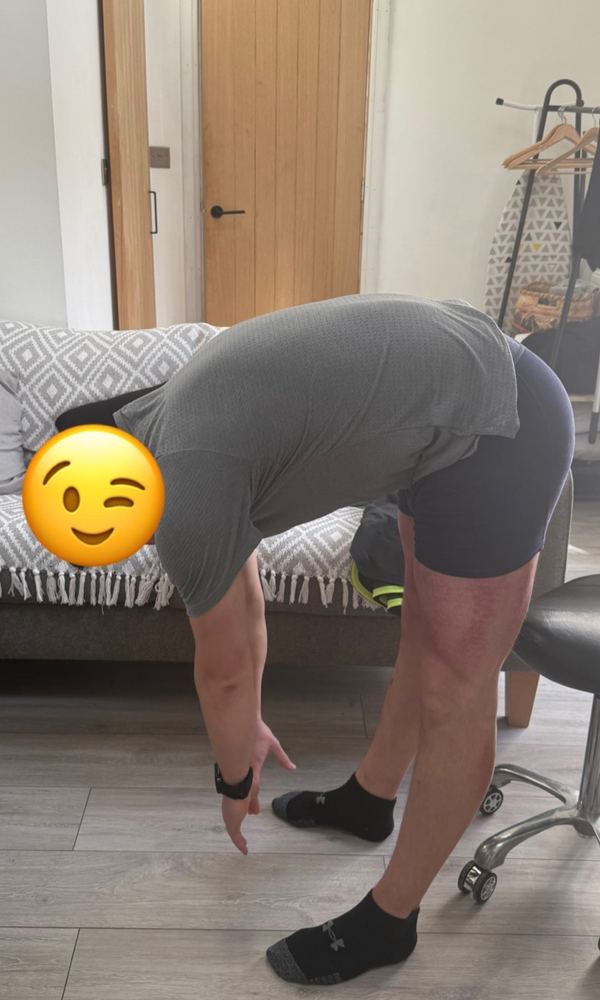
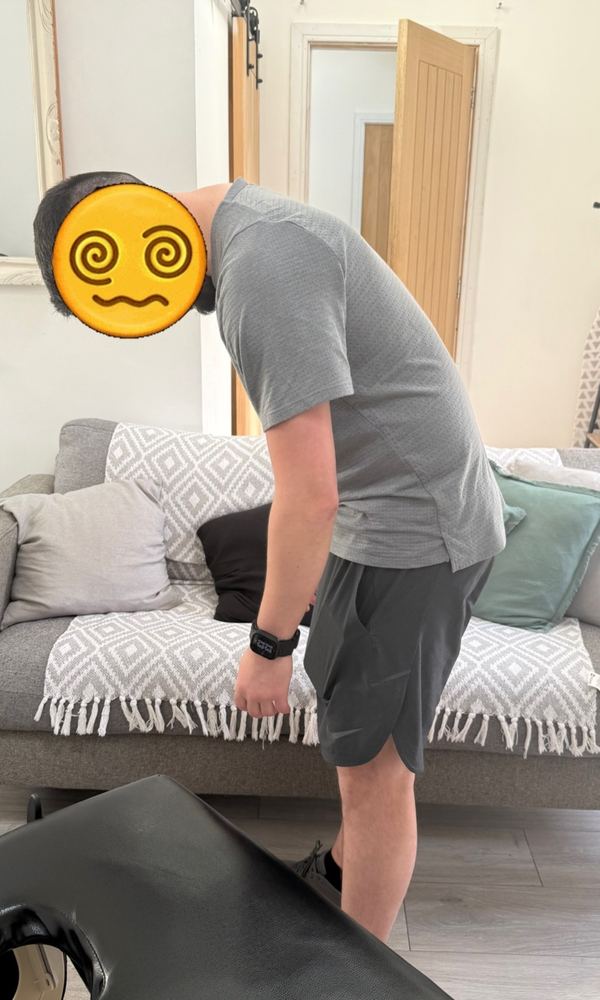
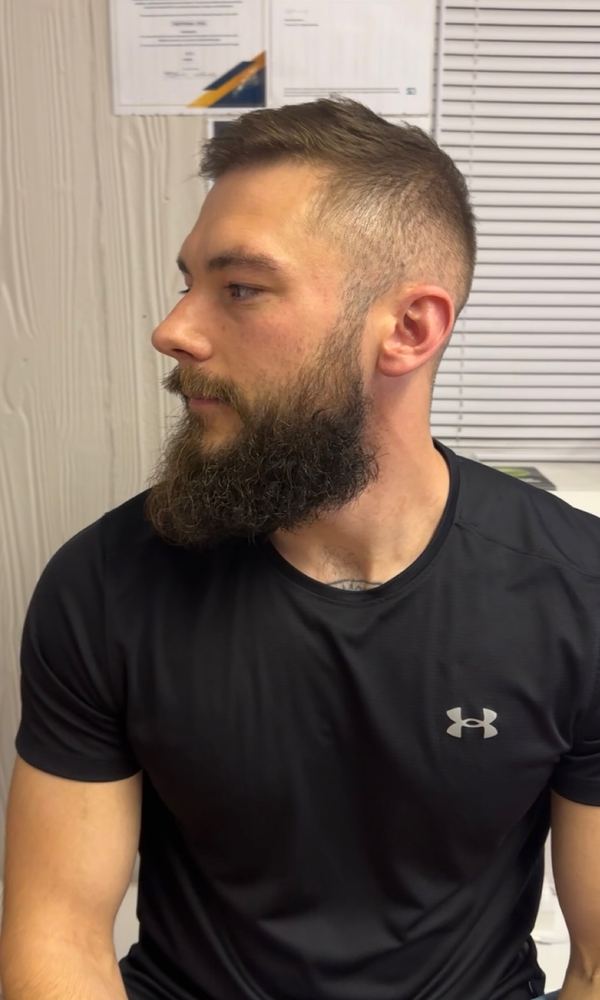
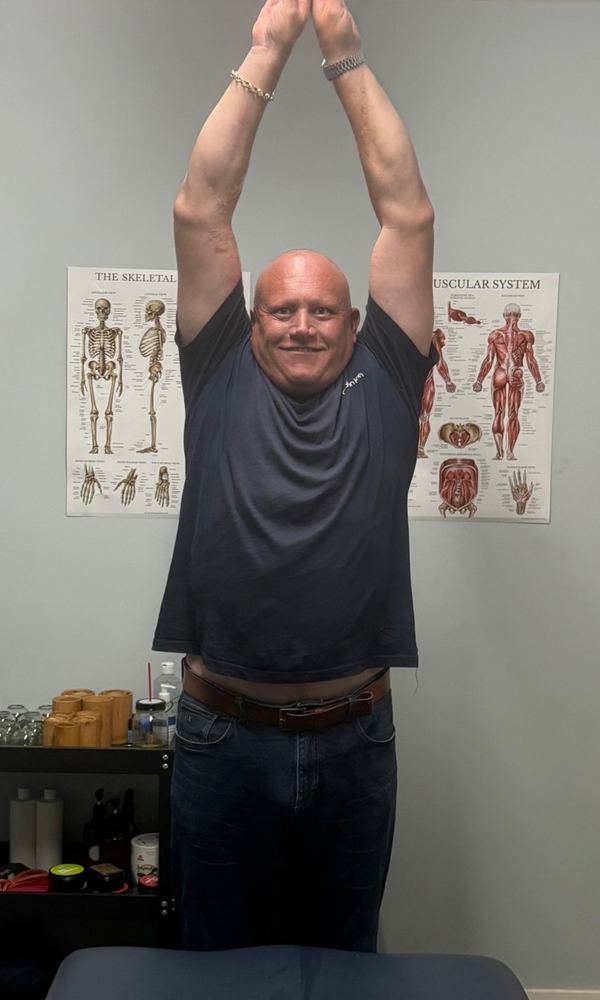
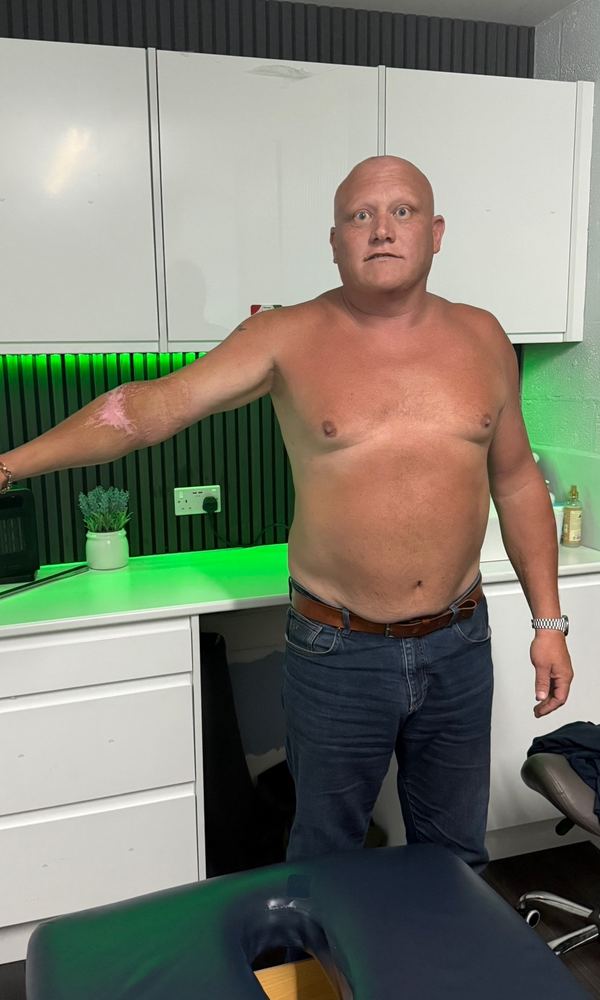
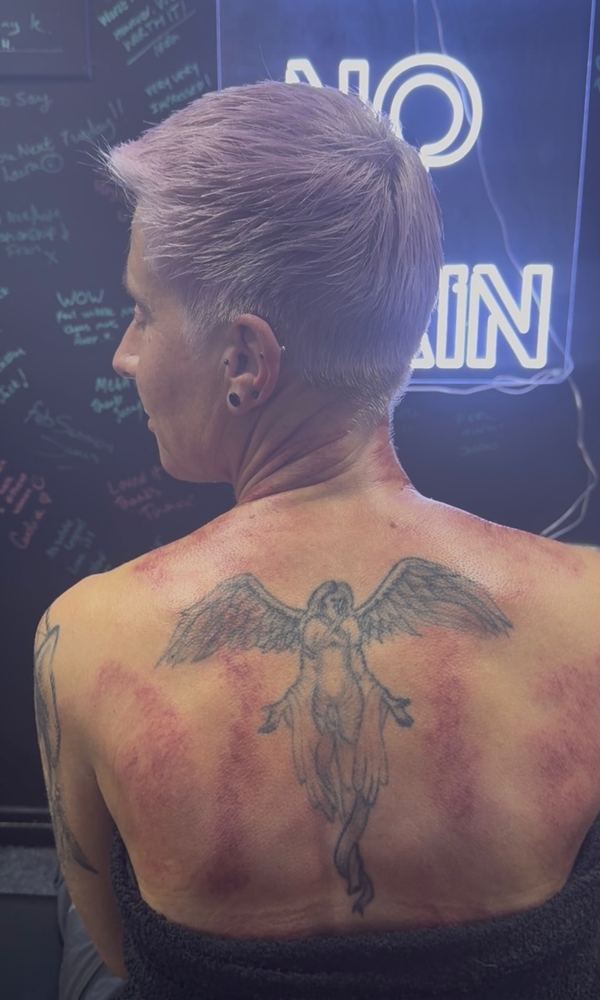
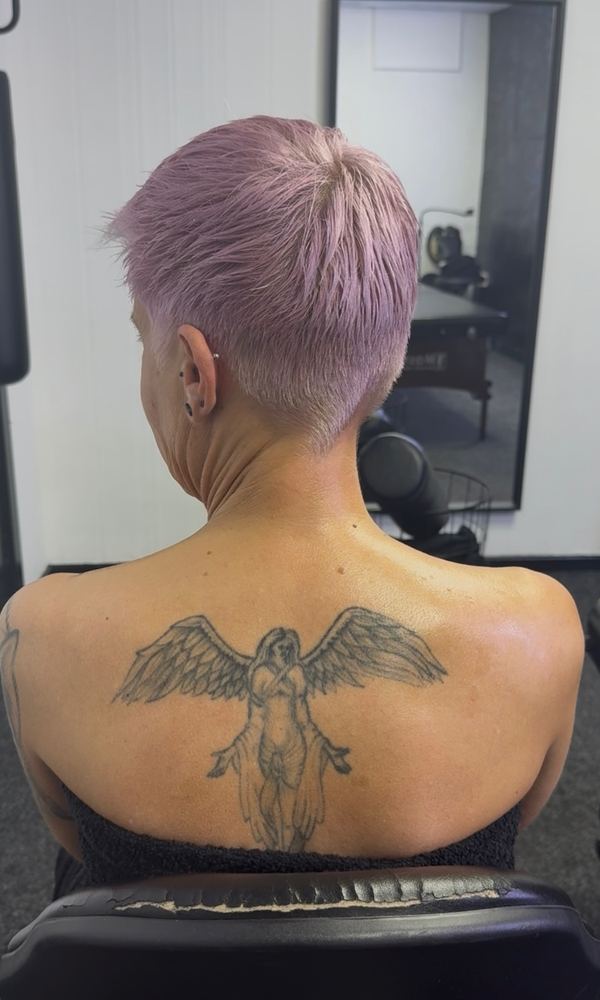
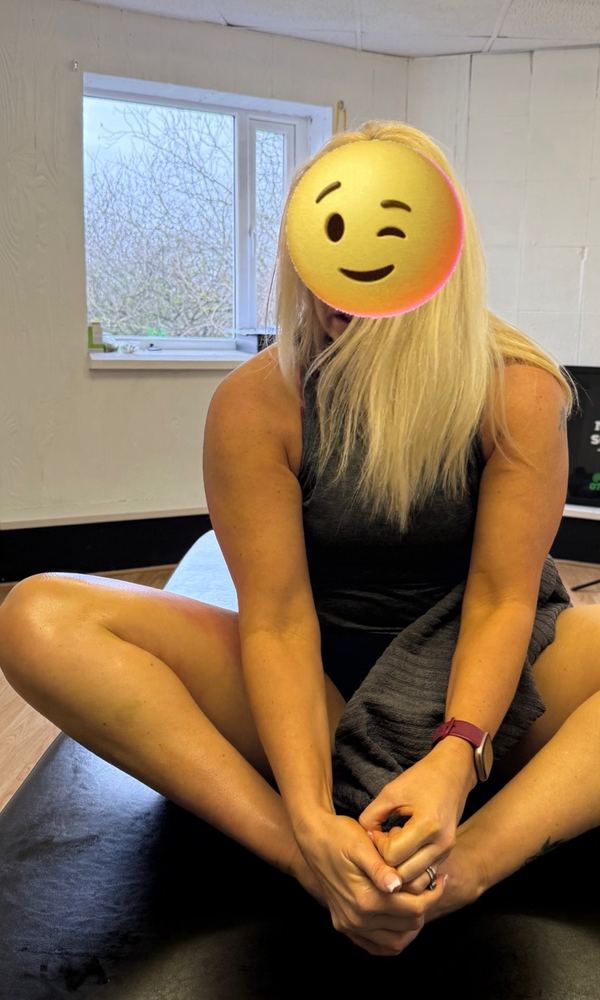
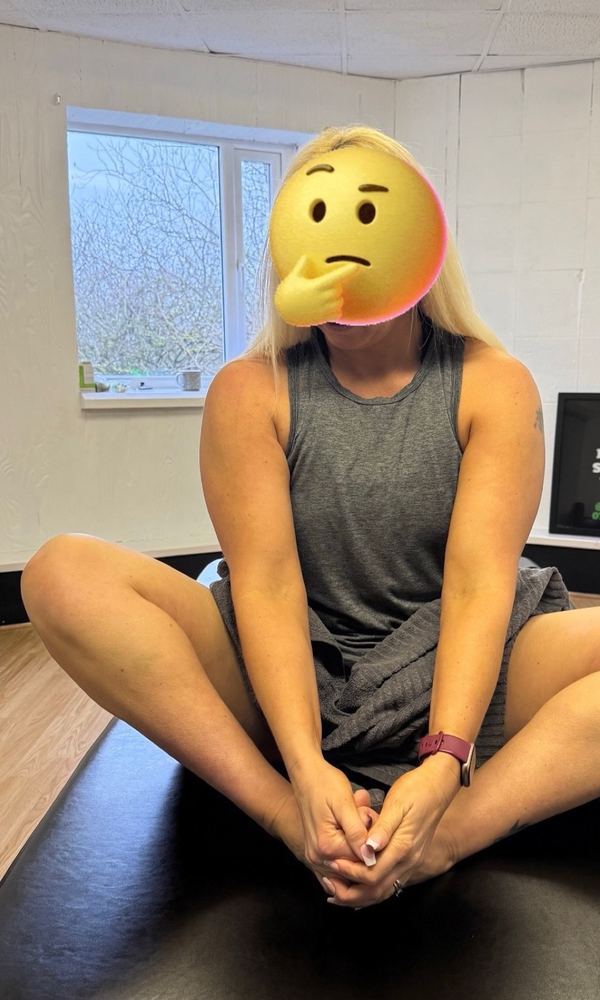
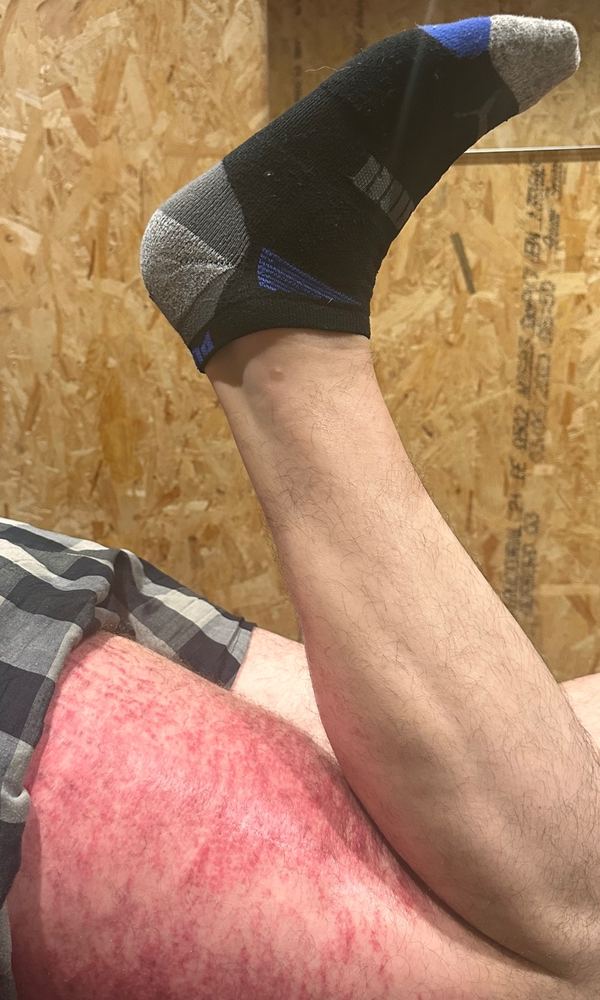
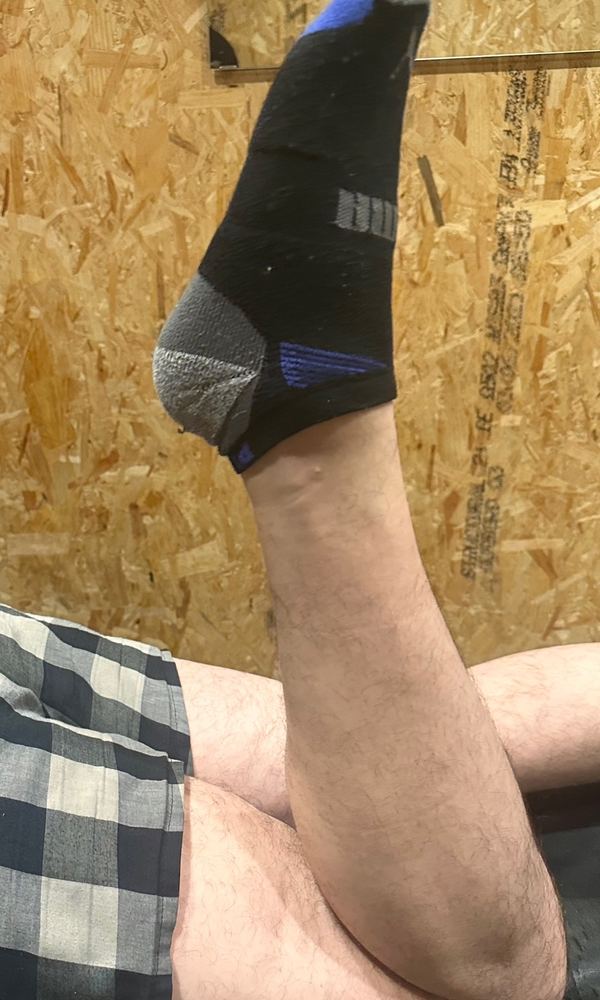
Real clients, photographed before and after a session. Everyone is different, and results vary from person to person.
Hamstrings, quads, IT band and calves, down to the arches and soles of the feet. The Enforcer runs the full length of a hamstring or quad in one stroke.
Key muscles
Hamstrings
Quads
Calves
Shins and peroneals
Plantar fascia
Often comes in with
Running
Football and rugby
Cycling
Leg days
On your feet all day
What to book
Full session · Both legs, front and back, take a full hour. Go for 90 minutes to add the hips and lower back.
Yes. The lower back and the muscles either side of the spine. The forward bend is the test we check before and after. You control the pressure, and we tell you what we're doing as we go.
What should I book for my lower back?
Full session. The lower back is rarely on its own, so we'll usually work the hips and hamstrings too. Book a full hour. First visits are always the New client treatment, which includes an assessment.
What if it's a new injury?
If it's a new or sudden injury, swelling, numbness or pain that wakes you at night, get it checked by your GP or NHS 111 first. Not sure? Call 07305 905859 before you book.
Will it leave marks?
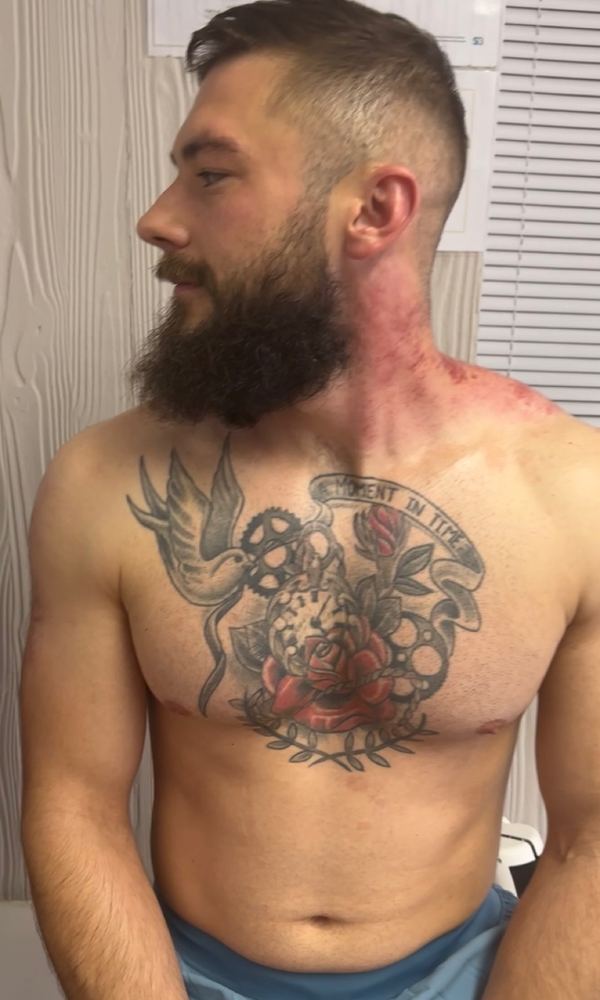
Usually, yes. Redness and small dark dots where the tissue has been worked are normal, and they usually fade within 5 to 7 days.