The treatment
What is muscle scraping?
Muscle scraping is hands-on soft tissue work using solid steel tools instead of hands alone. We work along the muscle and the fascia around it, find the tight, stuck, gritty areas, and work them until they move.
Why steel
It's also known as IASTM (instrument-assisted soft tissue mobilisation), kinetic therapy, blading or tool massage, and it's a close cousin of the Graston Technique: a form of soft tissue therapy and myofascial release that works the muscle and the fascia around it. Steel lets us go deeper and more precisely than a hand can, over a bigger area, without tiring.
Also known as
- IASTM
- Kinetic therapy
- Blading
- Tool massage
- Soft tissue therapy
- Myofascial release
- Fascial release
Wondering how it compares with sports massage, physio, a chiropractor or an osteopath? See the comparison →
What it feels like
It is firm and it is uncomfortable in places. We tell you what we're doing as we go, and you control the pressure. We use our own four tools, made from 304 surgical steel and protected as UK registered designs. Meet the tools →
Who comes to us
From 9 to 83.From CrossFit to cross‑stitch.From builders to bodybuilders.From Sunday league to the pros.You don't need to be a gym-goer. We set the pressure to the person on the bench.
- Everyday aches from desk jobs, driving, trades and lifting kids: locked necks, upper backs, lower backs and hips.
- Later life stiffness and mobility, so walking, gardening, golf and getting up off the floor come easier. Pressure is set to you.
- Sport at every level from grassroots and academy players, runners, Hyrox and padel players to professional footballers, golfers and boxing champions. Run a gym or a club? Team days and 10-minute tasters.
- Gym-goers and lifters with tight hips, shoulders, backs and hamstrings that won't let go.
- Old injuries that healed but never moved right again.
"It's steel. It's intense. It's not a massage."Rick Howarth
Where it comes from
From gua sha to QIROK
Scraping the body with a smooth-edged tool is an old idea. In China it's gua sha. In Indonesia it's kerokan.
Modern instrument-assisted soft tissue work (IASTM) took those roots into sports and soft tissue therapy. The best-known version is the Graston Technique, developed in the US in the 1990s with its own stainless steel tools. Since then the same idea has gone by plenty of names: kinetic therapy, blading, tool massage, or just scraping.
- Gua sha
- Kerokan
- IASTM
- Graston Technique
- Kinetic therapy
- Blading
- Tool massage
Rick built his own method on top: four 304 surgical steel tools and a set way of using them, worked firmly into muscle and fascia rather than lightly over the skin.
The method is called QIROK, after both traditions: the qi of gua sha and kerokan. It's what every Muscle Scraper practitioner is trained in. Train in QIROK →
Fascial lines
Working along fascial lines
Fascia is connective tissue that runs in continuous lines through the body, not muscle by muscle. These lines were mapped by anatomist Thomas Myers in Anatomy Trains.
We look at where the tension runs, not just where you feel it. Tightness in one place often sits on the same line as somewhere else, so we often work above and below the spot itself.
Tap a line to see where it runs.
Superficial Back Line
From the soles of the feet, up the calves and hamstrings, along both sides of the spine and over the back of the head to the brow.
Superficial Front Line
From the top of the toes, up the shins and quads, over the stomach and chest and up the side of the neck.
Lateral Line
Down each side of the body: from the side of the neck and ribs, through the outer hip and IT band, to the outside of the ankle.
Spiral Line
A double loop that wraps the body: from one side of the skull, across the upper back to the opposite shoulder, round the ribs and stomach to the opposite hip, and down the leg under the arch of the foot.
Deep Front Line
The deep core of the body: from the inner arch of the foot, up the inner leg and adductors, through the hip flexors, diaphragm and up into the front of the neck and jaw.
Arm Lines
Four lines that run from the chest and upper back, over the shoulder and down the front and back of the arm into the hand.
Functional Lines
Cross the body front and back, linking each shoulder to the opposite hip through the lats and glutes, the lines that load up when you throw, swing or sprint.
Tap the body
Which area?
Tap where it's tight. We'll show you what we see there every week, the muscles we work, what to book, and real before and afters.
Been told it's sciatica, a disc or tennis elbow? Read this first →
Head & neck
Head, neck and upper traps
The neck and the upper traps that run down into your shoulders. Desk work, driving, phones and heavy pressing all load this area.
Key muscles
- Upper trapezius
- Levator scapulae
- Sternocleidomastoid and scalenes
- Suboccipitals
- Splenius
Often comes in with
- Desk and laptop work
- Long drives
- Heavy pressing and shrugs
- Sleeping awkwardly
- Clenching or grinding your teeth
What to book
Focused · A 45 minute session covers the neck and upper traps properly. Add the upper back if the tightness runs down between the shoulder blades.
Shoulders & arms
Shoulders, arms and forearms
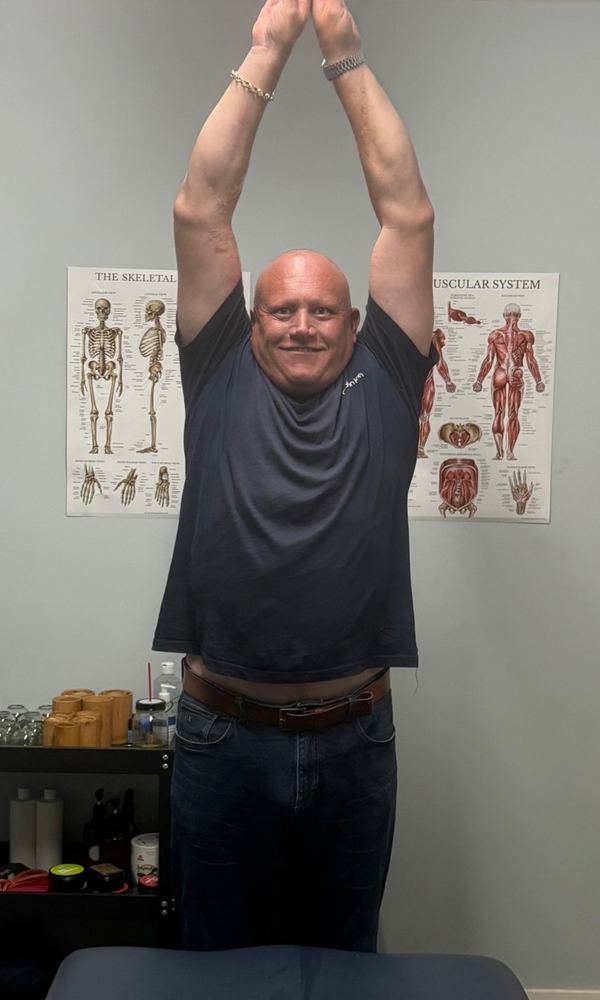
The shoulders, chest, arms and forearms. Overhead reach is the test: we check it at the start and again at the end of the session.
Key muscles
- Deltoids
- Rotator cuff muscles
- Pecs
- Lats and teres major
- Biceps and triceps
- Forearm flexors and extensors
Often comes in with
- Lifting and pressing
- Overhead sports: padel, tennis, swimming
- Trades and manual work
- Grip-heavy training
What to book
Full session · Shoulders usually need the chest, upper back and arm worked too, so book a full hour.
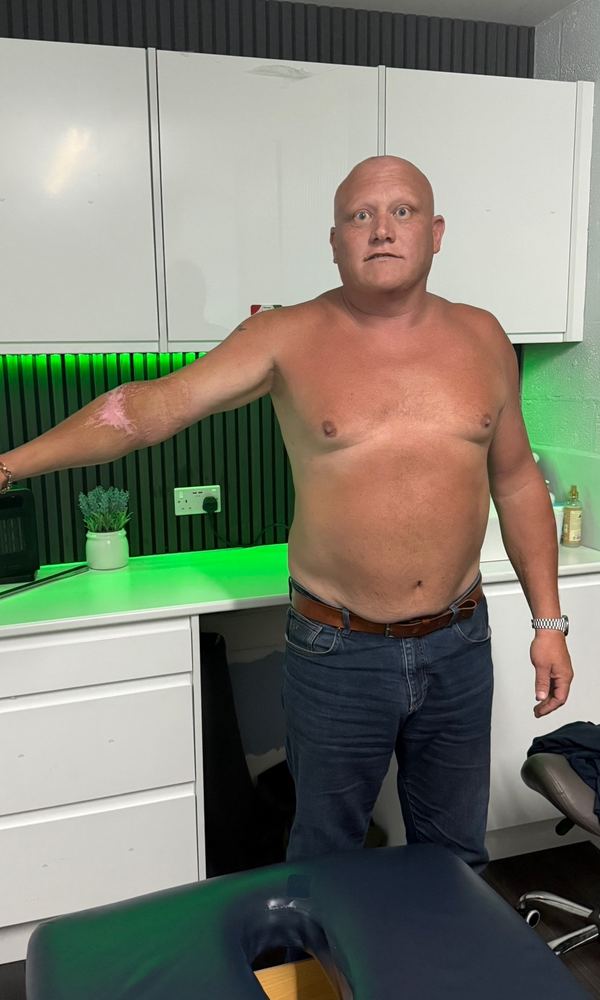
Upper back
Upper back and between the shoulder blades
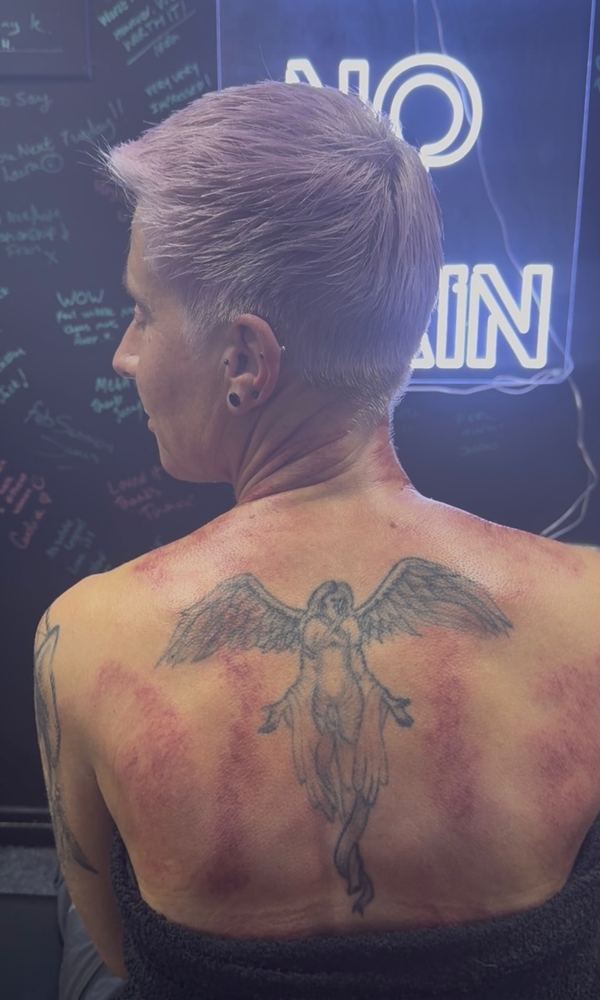
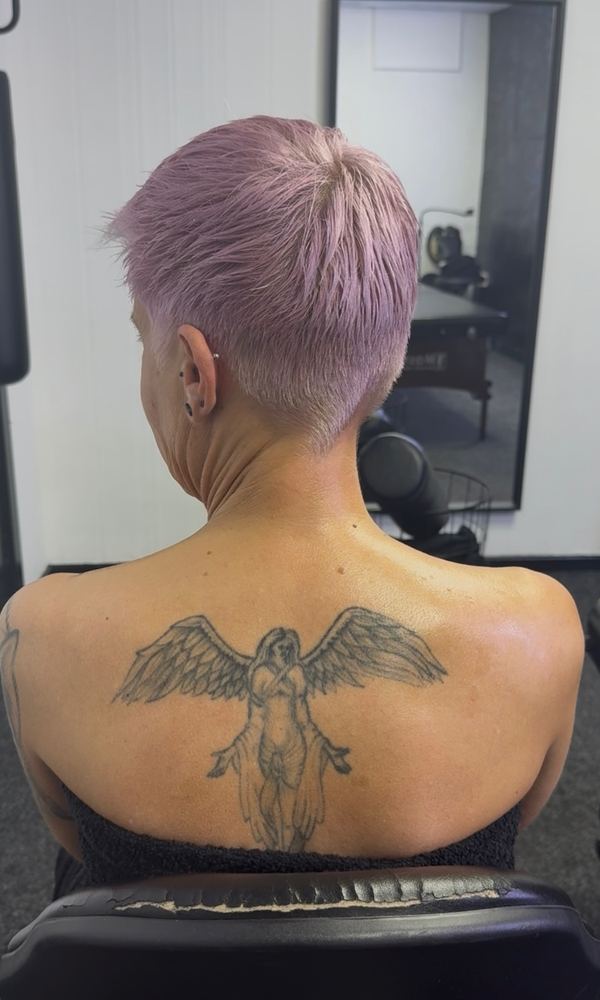
Between the shoulder blades and around the ribs. The long Enforcer tool covers this whole area in single strokes.
Key muscles
- Rhomboids and middle trapezius
- Thoracic erector spinae
- Serratus anterior and intercostals
- Lower trapezius
Often comes in with
- Desk posture
- Rowing, pulling and climbing
- Driving for work
- Carrying kids
What to book
Focused · A 45 minute session covers the upper back. Make it a full hour to include the neck or shoulders.
Lower back
Lower back
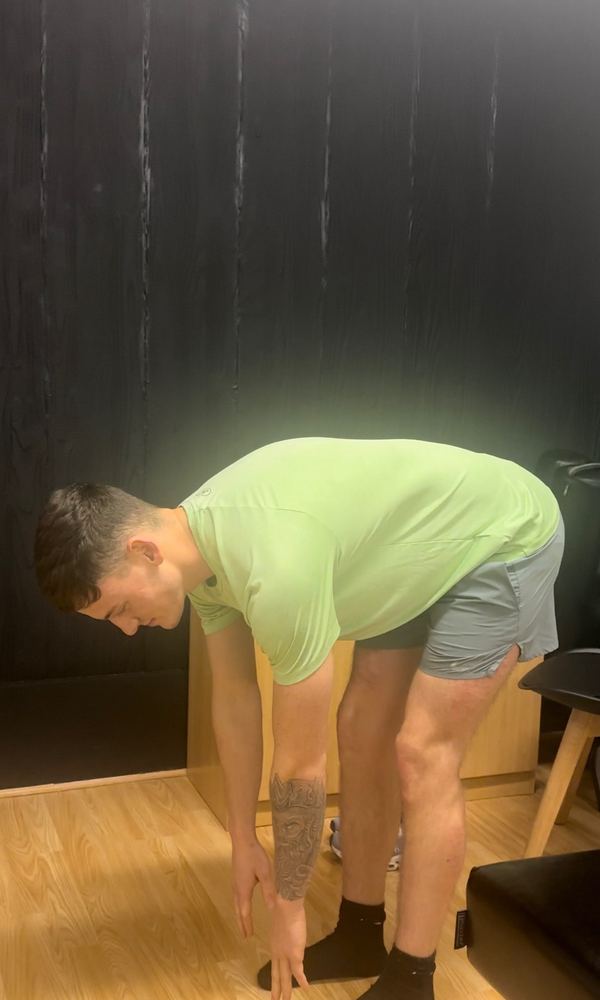
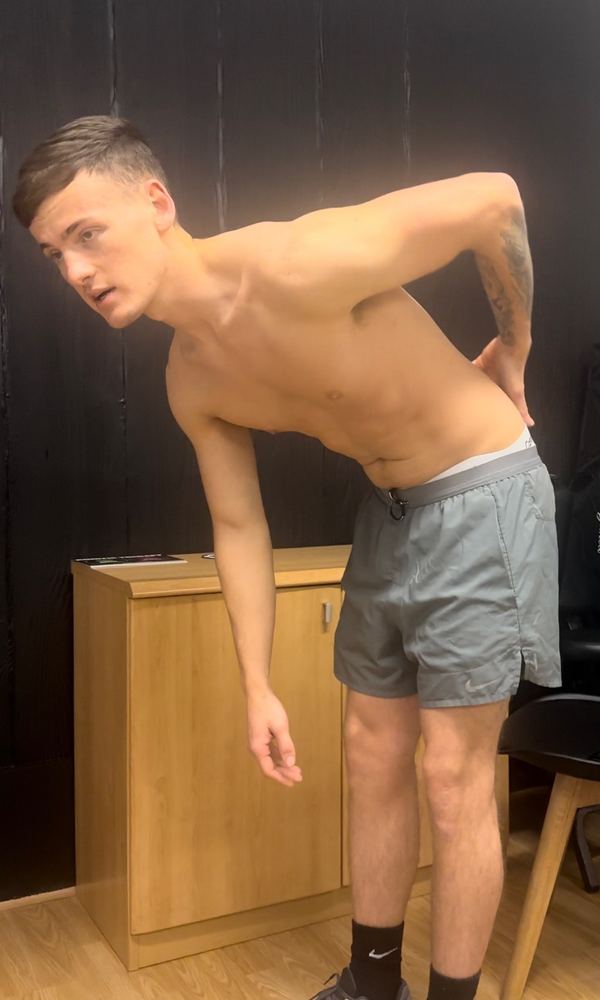
The lower back and the muscles either side of the spine. The forward bend is the test we check before and after.
Key muscles
- Lumbar erector spinae
- Quadratus lumborum
- Multifidus
- Thoracolumbar fascia
Often comes in with
- Sitting all day
- Lifting at work
- Deadlifts and squats
- Golf and other rotation sports
What to book
Full session · The lower back is rarely on its own, so we'll usually work the hips and hamstrings too. Book a full hour.
Hips & glutes
Hips and glutes
The glutes, hip flexors and the outside of the hip and thigh. We check how you sit, squat and move at the start and the end.
Key muscles
- Glute max
- Glute med and min
- Piriformis and deep rotators
- Hip flexors
- TFL and IT band
- Adductors
Often comes in with
- Running and Hyrox
- Squatting
- Football
- Long hours sitting
What to book
Full session · Hips usually need the lower back and legs worked too. Book a full hour, or 90 minutes for both sides properly.
Legs & feet
Hamstrings, quads, calves and feet
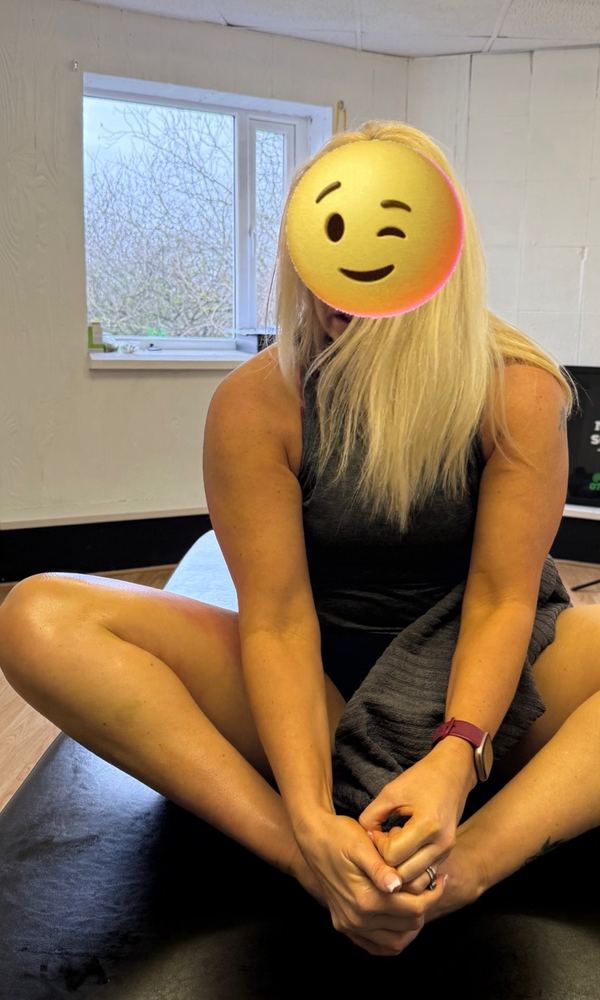
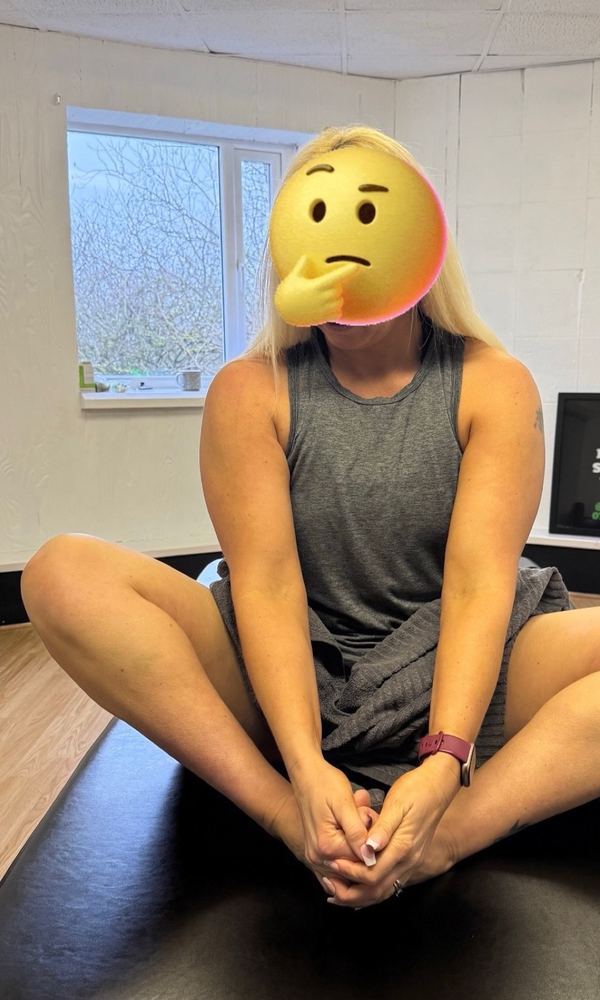
Hamstrings, quads, IT band and calves, down to the arches and soles of the feet. The Enforcer runs the full length of a hamstring or quad in one stroke.
Key muscles
- Hamstrings
- Quads
- Calves
- Shins and peroneals
- Plantar fascia
Often comes in with
- Running
- Football and rugby
- Cycling
- Leg days
- On your feet all day
What to book
Full session · Both legs, front and back, take a full hour. Go for 90 minutes to add the hips and lower back.
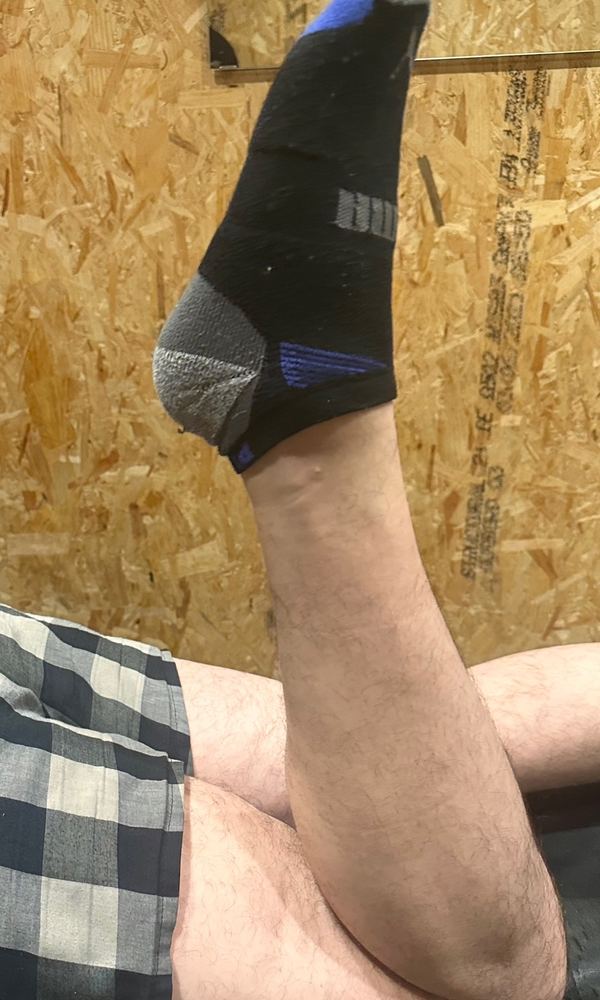
What happens in a session
Four parts, every time
Talk it through
Where it hurts, what you do, what's been tried. We check for anything that means we shouldn't treat today.
Test the movement
We see how the area moves before we touch it, so we both know what "better" looks like.
Steel work
The tools go to work on the problem tissue and the chain around it. Firm, targeted, worked to your limit.
Retest and plan
We test again, show you the difference, and give you aftercare and a sensible plan for next time.
What is muscle scraping?
Muscle scraping is hands-on soft tissue work using solid steel tools instead of hands alone. The tool is worked along the muscle and the fascia around it to find tight, stuck, gritty areas and work them until they move. It's also called instrument-assisted soft tissue work. At The Muscle Scraper we use our own four tools, made from 304 surgical steel.
Is muscle scraping the same as IASTM?
Yes. IASTM stands for instrument-assisted soft tissue mobilisation: soft tissue work done with a tool rather than hands alone. Muscle scraping is the everyday name for it, and Graston and gua sha are other styles of the same idea. We use our own four tools, made from 304 surgical steel.
Is muscle scraping the same as the Graston Technique?
They're close cousins. The Graston Technique is a branded form of IASTM, developed in the US in the 1990s, with its own stainless steel tools and its own training for clinicians. Muscle scraping is the same family of tool-based soft tissue work. We aren't Graston-certified: we use our own four steel tools and Rick's QIROK method, worked firmly along the muscle, fascia and fascial lines. If you've had Graston before, it will feel familiar. Graston Technique and muscle scraping.
Is muscle scraping the same as kinetic therapy?
Very close. Kinetic therapy is a name some clinics use for hands-on soft tissue work along the body's kinetic chain (the way muscles and joints link and move together), and it usually includes tool-based scraping. Muscle scraping is our version: steel tools worked along the muscle, the fascia and the chain around the tight spot. If you've had kinetic therapy with a scraping tool before, our sessions will feel familiar.
What is blading?
Blading is an informal name for tool-based soft tissue work, after the flat-edged steel tools (the blades) used to do it. It's the same thing people call muscle scraping, IASTM or kinetic therapy.
Is muscle scraping the same as gua sha?
It shares the same roots. Gua sha is the traditional Chinese practice of scraping the skin with a smooth-edged tool, and kerokan is the Indonesian version. Muscle scraping takes that idea into modern soft tissue therapy: solid steel tools, worked firmly into muscle and fascia. Our method, QIROK, is named after both.
Is muscle scraping a type of myofascial release?
It works on the muscle and the fascia around it, so it's often described as tool-assisted myofascial or fascial release. The difference from hands-only myofascial release is the steel: it goes deeper, works more precisely and covers a bigger area.
Is muscle scraping the same as a massage?
No. It's firmer, more targeted and uses steel tools, not just hands. Steel goes deeper and more precisely than fingers, covers a bigger area and doesn't tire. Our line is: it's steel, it's intense, it's not a massage.
Does it hurt?
It's intense. Tight and stuck areas feel sharp or gritty while they're being worked, and that eases as the tissue lets go. You set the limit and we work to it. It should never feel like damage.
Will I be marked or bruised?
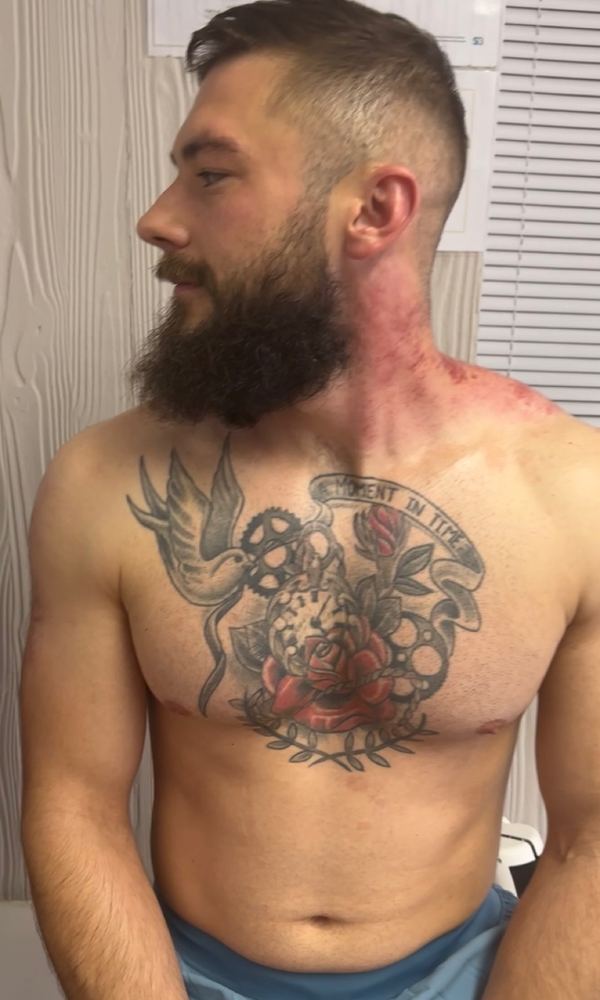
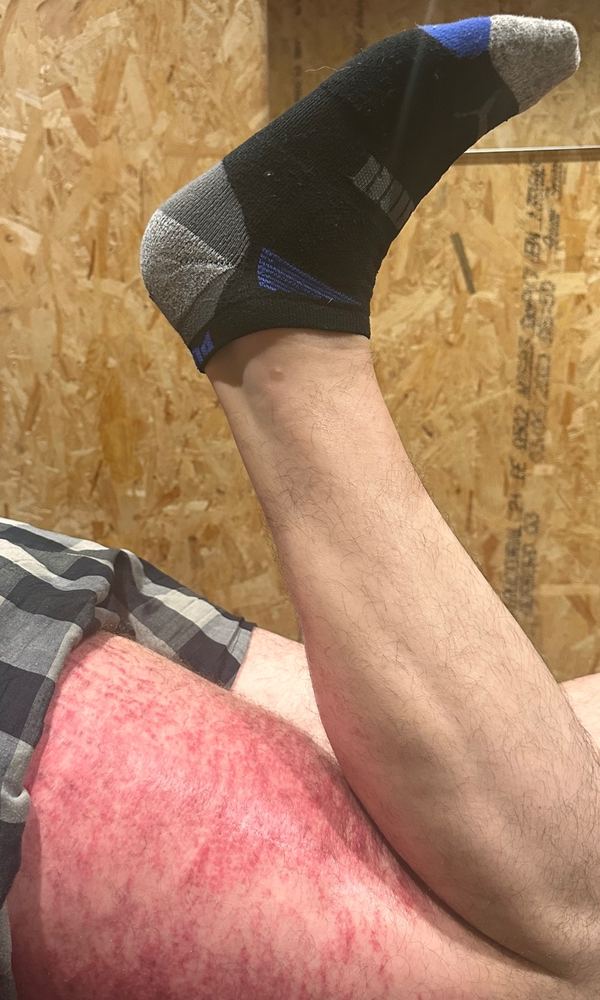
Redness and marks during and after are normal and usually fade within 5 to 7 days. Some people mark more than others, especially on a first session or over very tight areas. If you've got an event or photos coming up, tell us and we'll plan around it. See what the marks look like.
Who shouldn't have it?
Tell us before booking if you take blood thinners or have a bleeding disorder, have had recent surgery or a fracture, have a history of blood clots, varicose veins over the area, an active infection, a rash or broken skin, are pregnant, or are having treatment for cancer. Some of these mean we adapt the session, some mean we wait. If in doubt, call us first on 07305 905859. Muscle scraping doesn't replace medical advice; see your GP for anything that needs diagnosing.